




Prescription Hearing Aids and Ongoing Support from a Hearing Care Professional

Tragically, most people are still hung up on the outdated stigma attached to hearing aids. You probably envision those ugly, bulky, and frustrating devices your parents or grandparents used to wear. But today’s hearing aid technology is as different from what it was a few decades ago as your smartphone is different from the first cell phones.

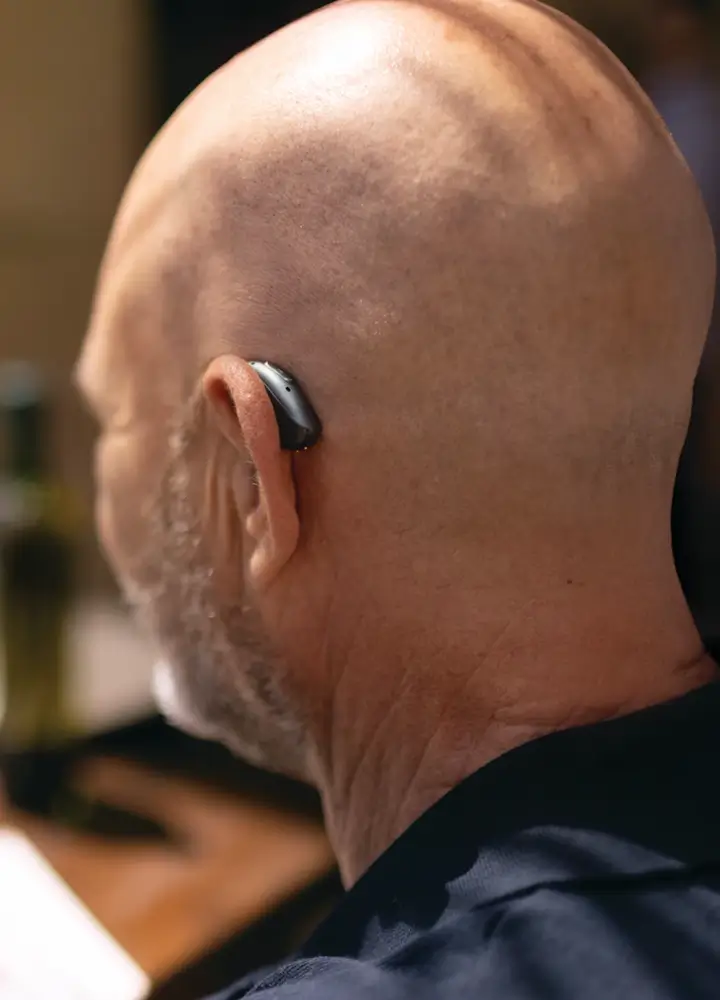
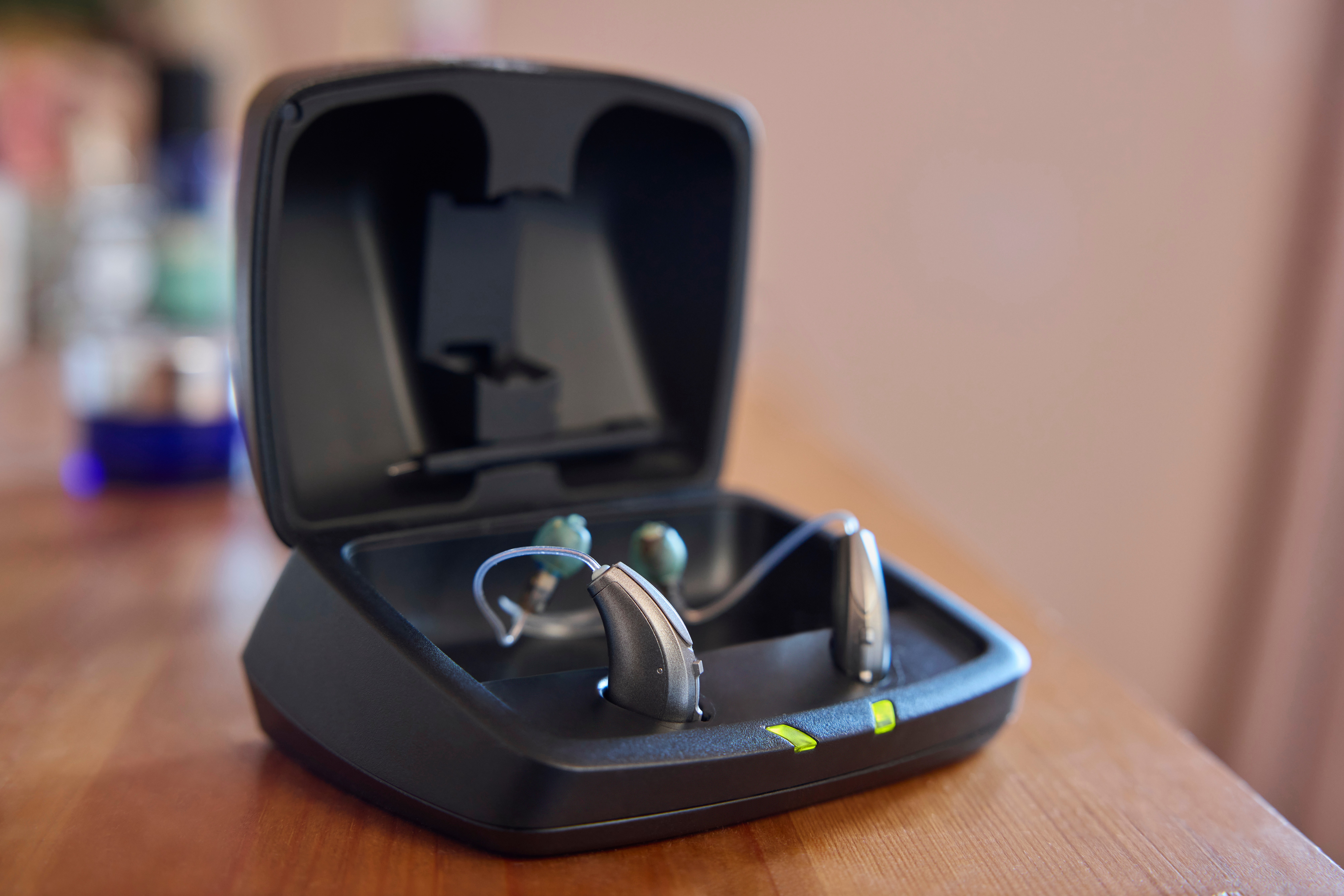
Nano and micro digital hearing aid technology has progressed so much over the past couple of decades that hearing aid manufacturers are now able to produce devices that are smaller, lighter, more stylish, and more discreet.

In addition to being more streamlined, modern hearing aids have the sound processing power to produce natural sound clarity, control background noise, eliminate feedback, and enhance speech, as well as link to your smartphone and other digital devices.

“Wow! Where can I get advanced technology hearing aids near me?”

Nelson Audiology, Inc. is able to provide individuals in Ventura, Ojai, and nearby communities with the most up-to-date advanced technology hearing aids on the market by partnering with top manufacturers like Oticon, Phonak, ReSound, Signia, Starkey, and Widex.
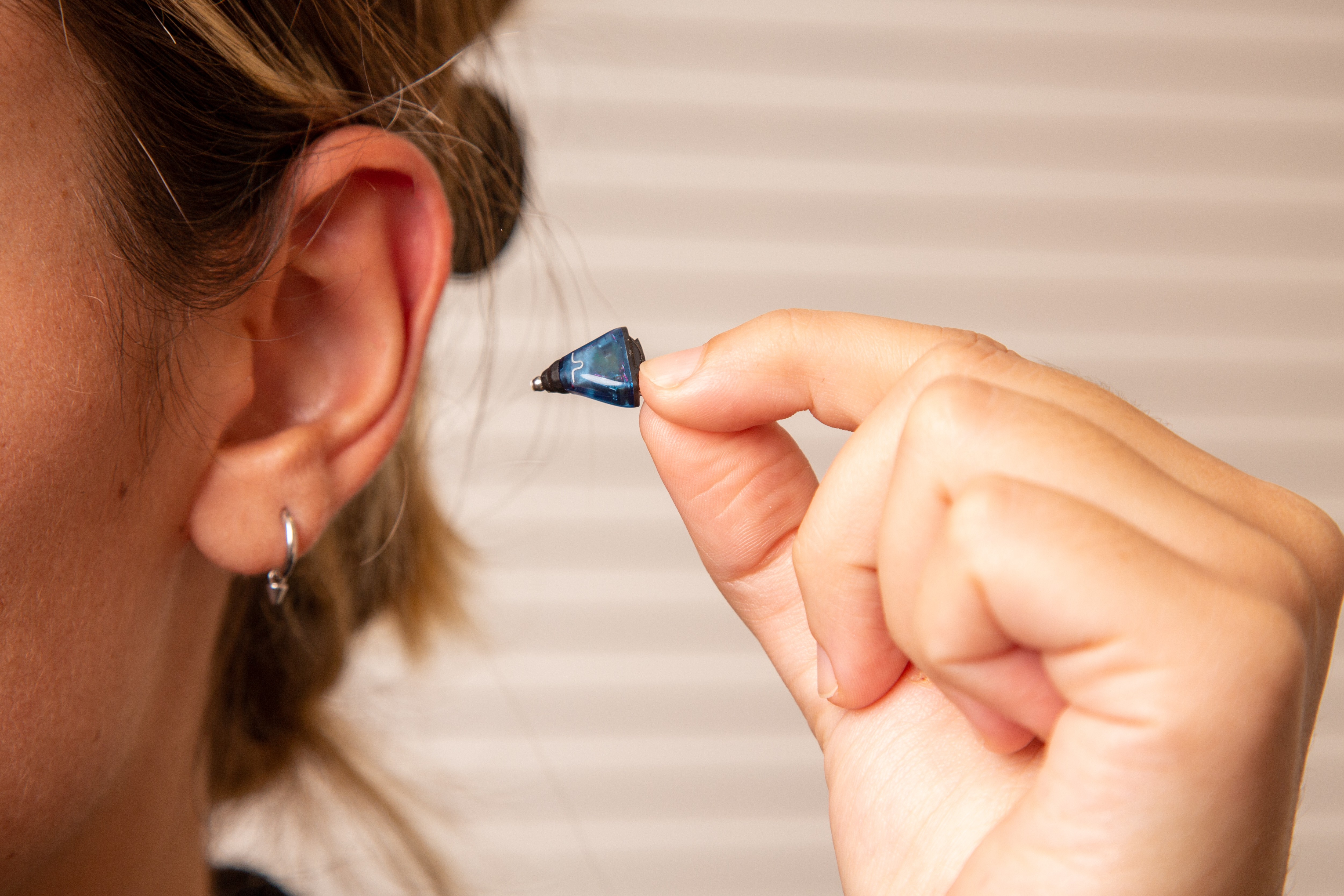
Hearing Expert Holding Hearing Aid Technology

We Partner With Leading Manufacturers

FAQs About Hearing Aids

How do I know if I need a hearing aid?

If you struggle to communicate well with others, it is becoming a challenge to keep up with your active and independent lifestyle, or you no longer enjoy conversations in a noisy restaurant or at a social event because of background noise, you might benefit from hearing aids. The first step toward knowing whether hearing aids are right for you is a comprehensive hearing assessment.

Why are hearing aids important?

Many individuals with hearing loss also contend with mental health issues like depression and anxiety, as well as physical health issues related to cognitive decline, balance and vertigo, and accidents that are a result of their disability. Hearing aids help reverse these conditions or limit their effect on your day-to-day life as well as help restore an active and independent lifestyle.

Do hearing aids cure hearing loss?

Hearing aids provide assistance to your natural hearing function by processing sound in order to help clarify and amplify it, but they cannot restore the natural function of your ears. Though they are not a cure, hearing aids can slow hearing deterioration, limit cognitive decline, alleviate tinnitus symptoms, and help correct balance and vertigo issues.

How long will a hearing aid last?

The average service life of hearing aids is between five and seven years when taken care of (daily cleaning, regular scheduled maintenance, tune-ups and repair), but most audiologists advise their clients to upgrade every five years to take advantage of cutting-edge technologies in a rapidly developing industry.

Do hearing aids use special batteries?

Hearing aids use zinc-air batteries specifically designed for hearing aids, but they are usually pretty easy to find in most pharmacies as well as supermarkets and convenience stores.

How long will it take me to adjust to my hearing aids?

How quickly individuals adjust to hearing aids is unique, because your brain undergoes traumatic shock when processed sounds from your hearing aids arrive in your brain’s central auditory system. Your brain needs some time to acclimate and relearn how to process new sounds—sounds it hasn’t heard in a while.

Your hearing care provider will provide you with programming adjustments, counseling, technical support, troubleshooting, and coping strategies to help speed up the adjustment process. The trial period provided by most hearing aid manufacturers is 60 days, which is ample time for most people to adjust and evaluate the benefits of their hearing aids.
Read more

Are hearing aids covered by insurance?

Most private healthcare policies do not cover hearing aids unless there are specific riders or special circumstances (like if the patient is a minor). However, some plans do include Medicare supplemental coverage, and Medi-Cal provides assistance as well.

Our Selection Process and Ongoing Support
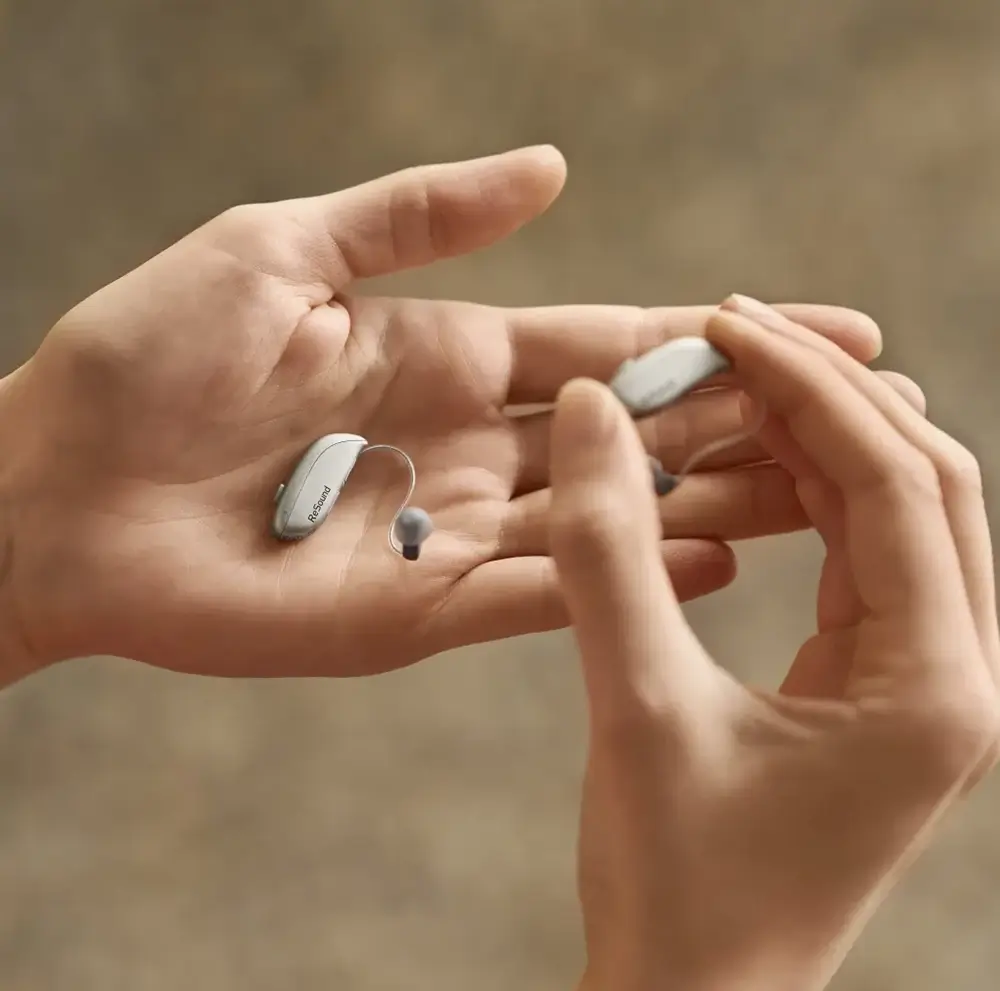
An older man holding an advanced hearing aid device

Today’s hearing aids are available in a variety of sizes, colors, costs, and designs, and include varying levels of technology and features. Our professionals will help guide you through the selection process by helping you evaluate your needs and preferences, such as:

  • How much processing power you need to address your specific hearing challenges
  • The amount of manual dexterity and visual capabilities you’ll need for operating various models
  • Your budget (including insurance)
  • Your wearing discretion and cosmetic concerns
  • Skin sensitivities
  • Anatomical and/or other medical considerations

We don’t abandon you with your new hearing aids once we’ve sold you a device. Unlike with OTC hearing aids or devices you purchase online, our hearing aid specialists provide ongoing support, like:

  • Education, counseling, and support
  • Programming adjustments and reprogramming
  • Scheduled maintenance (cleaning and checks)
  • Troubleshooting
  • Hearing Aid Repair

Hearing Aid Styles Available at Nelson Audiology

Behind the Ear Styles

Considered the traditional hearing aid style, BTE hearing aids feature a processing unit that rests behind the ear, but they differ from older units because they use digital technology to process sound. Sound processed in the behind-the-ear unit is transmitted in different manners and delivered to the outer ear in various ways, depending on the hearing aid style. BTE hearing aids tend to have greater processing power than ITE devices and usually include manual programming buttons and/or dials.

Behind the Ear Hearing Aid Style

BTE with Earmold

The longer shaped processor of BTE style hearing aids is able to house additional processing components that other styles may not be able to accommodate. A primary distinction of this style is its use of acoustical tubing to deliver processed sound to an earmold that can be quick-fit or custom formed to match the contours of the outer ear canal.

A Mini Behind-the-Ear Hearing Aid

Mini BTE with Slim Tube and Tip

A smaller version of the traditional style, mini BTEs hide behind the outer ear and use ultra-thin tubing to discreetly route sound to the ear. Rather than using an earmold that occludes the outer ear canal, the tubing connects to a soft tip that sits in the ear canal but doesn't occlude it. Known as “open fitting,” this style of tip allows airflow and sound to enter the ear naturally around the tip, while amplified sound enters through it.

In the Ear Styles

ITE hearing aids are a single component with processing and speaker contained within the same housing. Different types of ITE hearing aids are distinguished by their size and where they are positioned in the ear canal. Among the advantages of ITE devices is the fact that they do not interfere with glasses, oxygen cannula, or headwear, but they can also provide a more secure fit for more active individuals as well as provide greater wearing discretion.
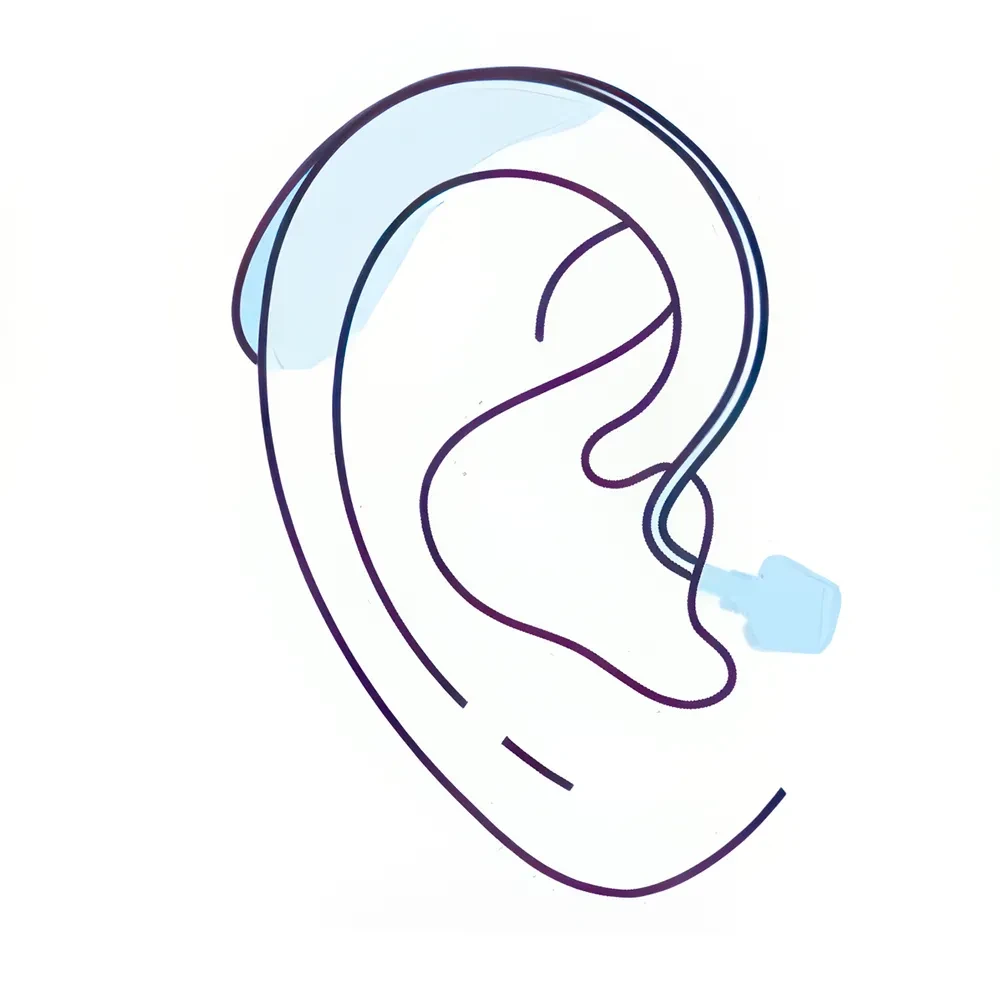

Reciever in Canal Hearing Aid

Receiver-in-Canal (RIC) / Receiver-in-the-Ear (RITE)

RIC and RITE models are like BTEs and mini BTEs, but place the speaker of the instrument in the earmold or ear tip rather than the main body of the instrument. Processed sound is transmitted from the processor to the speaker using wires protected inside a tube. Speakers or receivers can be either earmolds or open-fit tips.

An In-the-Ear Hearing Aid Device

Full Shell ITE

The most powerful ITE hearing instruments, full shell ITE hearing aids sit flush within the outer ear bowl. Because of their size, they accommodate additional controls and features like directional microphones as well as larger batteries with a longer battery life, benefits that become limited or disappear as the size of the ITE device decreases.

An In-the-Canal Hearing Aid

In-the-Canal (ITC)

ITC instruments sit inside the lower portion of the outer ear bowl, providing greater wearing comfort and security. Slightly larger than CIC models, they have a longer battery life and allow for additional features like manual controls and directional microphones for improved speech clarity in noisy environments.

A Completely-in-Canal Hearing Aid

Completely-in-the-Canal (CIC)

A smaller, custom-style ITE device, CIC instruments fit deeply and entirely within the ear canal, making them almost invisible. Though they allow for more discreet and more secure wearing, they lack some of the features of larger devices, and insertion, extraction, and handling can be a challenge for those with manual dexterity or visual challenges.

An Invisible-in-Canal Hearing Aid

Invisible-in-the-Canal (IIC)

The smallest custom-style hearing aids, IIC instruments rest in or past the second bend of the ear canal, allowing them to be completely invisible to others and remain in place during more aggressive physical activity. However, they are also a challenge to those with dexterity and visual challenges because they are inserted and extracted using a tiny post.

Schedule a Hearing Assessment

There are plenty of places to self-diagnose and self-treat your hearing issues online or by purchasing your hearing aids OTC, but without proper programming and testing by a licensed professional, you might be doing more harm than good. A comprehensive hearing assessment by a licensed hearing aid specialist, like those at Nelson Audiology, Inc., as well as proper device selection, proper programming, and ongoing support are essential elements to assuring a future of better hearing.

If you hope to solve your hearing challenges rather than exacerbate them, submit the adjacent form in order to start a hearing care partnership with our hearing care professionals.

"*" indicates required fields

What Our Delighted Patients Say

Our Experts Answer

Before making a choice for your hearing health, it’s crucial to understand how Apple’s devices compare to prescription hearing aids.

What Are the Differences Between Apple AirPods and Prescription Hearing Aids?

The growing integration of technology into our daily lives is evident in how we interact...
With the help of an expert in the audiology field, your hearing loss will be managed efficiently and professionally with personalized treatment that puts your best interests at heart.

What Are Your Options to Address a Hearing Loss in 2025?

Hearing loss is set to double across the world by 2050, according to the World...
With your audiologist’s professional guidance, you’ll be recommended the best devices for your unique needs.

The Best Hearing Aids in 2025 | Doctor of Audiology Answers

When you think of hearing aids, who do you think of wearing them? Your parents...